Žižole: Rediscovering the Sweet Jewel of Nature
Introduction
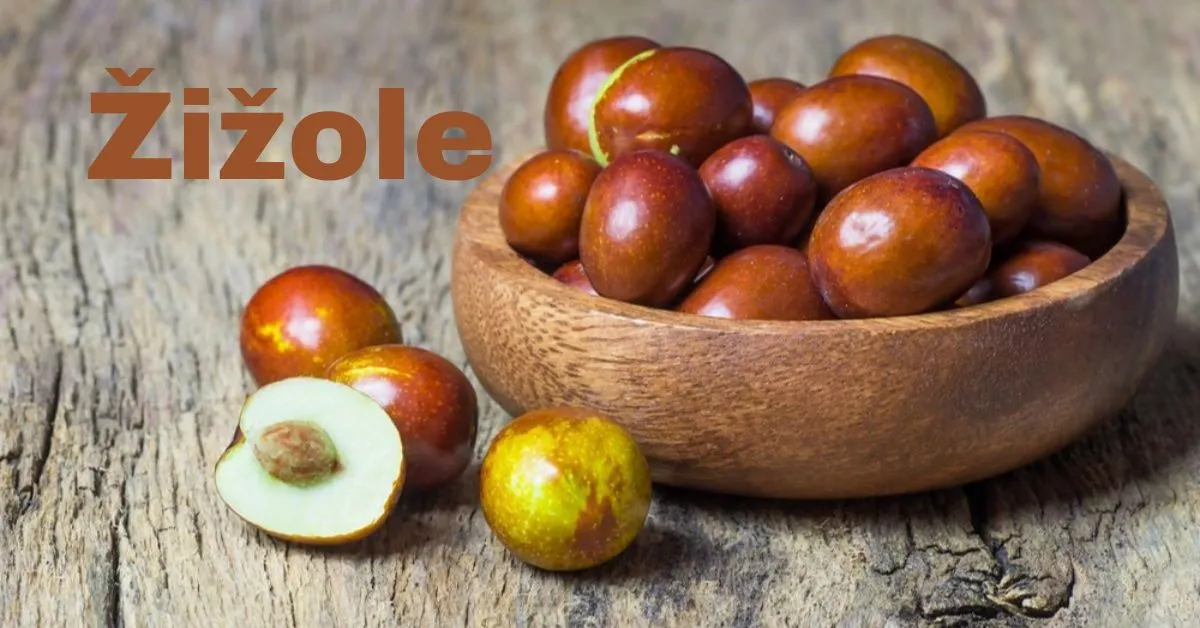
If you’ve ever stumbled upon a glistening red-brown fruit at a farmers’ market and wondered what treasures it holds, chances are it was Žižole—also known in many circles as the jujube. Far more than just a snack, this humble fruit blends deep historical roots, nourishing value and culinary versatility in ways that often surprise people. In this article, I’ll take you on a friendly, down-to-earth journey through the world of Žižole—what they are, where they come from, how they’ve been used across cultures and how you can enjoy them in your own kitchen.
What Are Žižole? A Fresh Look at the Jujube Fruit
At first glance, Žižole may look like small dates or dried plums, but their story is richer and a bit different. Botanically speaking, the fruit comes from the Ziziphus jujuba tree, a resilient and long‐cultivated plant. When fresh, the fruit tends to be greenish turning to reddish-brown, crisp in texture and lightly sweet—almost like an apple in crispness. Dried or aged, it becomes chewy, dark and sweet in the way that dates or figs might be.
Why is that important? Because this duality means Žižole can be enjoyed fresh as a healthy snack, dried as a sweet treat, or cooked into jams, teas and dishes. That flexibility has helped them travel across continents—Asia, the Mediterranean and parts of Europe—and embed themselves in both food and medicinal traditions.
A Brief History: From Ancient Trees to Modern Plates
Let’s travel back a little. The cultivation of the Ziziphus jujuba tree dates back thousands of years—especially in China where it has been used for food and medicine alike. From there, the fruit spread to neighboring regions and eventually into parts of the Mediterranean basin.
In places like Croatia and Slovenia, Žižole found their way into local agriculture, harvest traditions and folk remedies. In fact, some sources describe how in Mediterranean farming regions people dried the fruits, made syrups or even infused them in brandies. This layered background means when you bite into a Žižola (that’s the singular), you’re not just eating a fruit—you’re tasting a piece of living tradition.
Nutritional and Health Benefits: More Than Just a Sweet Bite
Over the past few years, Žižole have seen a resurgence in the wellness world—often labeled a “superfruit”. And not without reason. Let’s break down what they bring to the table.
Key Nutritional Highlights
- Vitamin C & antioxidants: Fresh Žižole are surprisingly rich in vitamin C and compounds that fight oxidative stress.
- Dietary fiber: Helps support healthy digestion and sustenance. Adaptogenic and calming effects: In traditional systems like Traditional Chinese Medicine, dried jujube fruits (i.e., Žižole) are used to ease stress, support sleep and bolster vitality.
What this means for you
- If you’re looking for a snack that gives you micronutrients rather than just sugar, fresh Žižole are a smart pick.
- If you struggle with sleep or stress, some dried fruit tea or infusion may help (though it’s not a replacement for medical advice).
- For bakers or those avoiding heavy sweets, substituting dried Žižole for dates or raisins can be a nice twist—less common, but full of flavor.
Culinary Uses: How to Enjoy Žižole at Home
Here’s where the fun really begins. Because Žižole are so versatile, you can use them in ways that feel both familiar and fresh.
Fresh & Raw
- Eat them like apples: crisp, juicy, slightly sweet. Great as a snack.
- Slice into salads: raw Žižole add bite and a subtle sweetness.
- Pair with soft cheeses or nuts for a simple appetizer.
Dried, Baked or Cooked
- Add to trail mixes, granola or breakfast cereals instead of more common dried fruits.
- Use in baked goods: muffins, bread, cookies—you can chop them up for texture & flavor.
- Make tea: simmer dried Žižole with ginger, cinnamon or honey for a soothing drink.
- Use in jams or syrups: back in Mediterranean tradition they were simmered with sugar/lemon to make thick syrups.
Savoury & Creative
- Think outside sweet: pair chopped Žižole with roasted vegetables, couscous or warm grain bowls for a surprising twist.
- Use in slow‐cooked stews: the fruit’s sweetness counters savory spices nicely.
- Incorporate into ethnic or fusion dishes: because of the apple‐to‐date texture shift, you can use them in place of ingredients like dried apricots or figs in Mediterranean/meze plates.
A Comparison Table
| Use Case | Fresh Żižole | Dried Żižole |
| Snack / raw eating | Crisp, juicy, like apple | Chewy, dense, sweet |
| Baking | Add texture & light sweetness | Richer sweetness, denser |
| Cooking | Light fruit note | Deep flavor, richness |
| Beverage | Blend fresh into smoothies | Brew tea or infusion |
Growing & Sourcing: How to Get Your Hands on Quality Žižole
Growing Your Own
If you have a garden and live in a suitable climate (warm, with well-drained soil), you might consider planting the Ziziphus jujuba tree. Some sources note the tree’s drought tolerance and adaptability, which makes it appealing for sustainable gardening.
Buying Smart
- Fresh fruit: Look for fruits that are firm, free of blemishes, and turning from green to reddish-brown.
- Dried fruit: Choose sun-dried or naturally dried options, preferably organic, with no added sugar or preservatives.
- Specialty stores: Asian grocery stores, health food stores or online herbal shops often stock Žižole in various forms (whole, dried, powder, syrup) especially if you’re outside the Mediterranean region.
Storage Tips
- Fresh fruit: Store in a cool, dry place; consume within a few days to maintain crispness.
- Dried fruit: Store in airtight containers, away from heat/light; they can last months.
- Tea / syrup forms: Keep sealed and refrigerate once opened if required.
Cultural Significance: Why Žižole Matter Beyond the Plate
What really fascinates me about Žižole is how they connect food, culture, tradition and community in meaningful ways.
- In regions where the tree is native or long grown, the fruit appears in harvest rituals, autumn festivals and folk medicine.
- Because the fruit can be dried and stored, it historically provided a source of sweetness and nutrition in times when fresh produce was unavailable—this made it symbolically rich.
- Modern wellness and sustainable food-movement proponents point to Žižole as a minor crop with major potential—especially in dry, marginal lands. Their resilience is a story worth telling.
All this means Žižole aren’t just a “nice fruit” — they’re part of a broader narrative about food heritage, nutrition, resilience and cultural memory.
Practical Tips Before You Dive In
Since I’ve been working with these fruits in various recipes and food explorations, a few pro tips:
- Start with fresh if available — the crisp texture is delightful and often overlooked.
- Don’t toss the dried ones — though chewier, they pack flavor and intelligence in usage.
- Mind the sugar content — dried versions concentrate sugars; if you’re watching intake, mix with nuts/seeds or pair with protein.
- Experiment in savory dishes — I once added chopped dried jujube into a Moroccan chicken tagine, and the contrast of sweet/chicken/spice was thrilling.
- Introduce to others — many people haven’t heard of Žižole, so sharing them with friends or using them in a recipe can become a fun food-discovery moment
Conclusion:
In a world full of exotic superfruits and heady wellness trends, Žižole stand out for their quiet depth—rooted in tradition, packed with nutrition and ready for your kitchen. Whether you’re biting into one fresh and crisp, brewing a soothing tea or mixing dried pieces into your favorite recipe, these fruits offer more than flavor—they offer a story.
So here’s my invitation: next time you spot a jar of dried jujubes or a handful of fresh Žižole at market, pick them up. Play with them. Discover what they bring into your meals. Rediscover that connection between food and heritage, tradition and modern living. You’ve got this—let the sweet, chewy, crunchy world of Žižole surprise you!
FAQs
What exactly is a Žižola?
It’s the fruit of the Ziziphus jujuba tree, often called jujube or Chinese date. When fresh, it is crisp and mildly sweet—when dried, it becomes chewy and rich.
Are Žižole healthy?
Yes! They’re rich in vitamin C, antioxidants and fiber. They’ve been used in traditional medicine for digestion, sleep and general vitality.
How can I use Žižole in cooking?
Plenty of ways: eat fresh as a snack, add to salads, bake into muffins, infuse into tea, use chopped dried fruit in savory dishes, make jams or syrups. Their texture shift gives you variety.
Where can I find them?
Check local farmers’ markets, Asian or Mediterranean grocery stores, health food shops or order online. For highest quality, look for organic, sun-dried or minimally processed forms.
Can I grow Žižole myself?
Yes — if your climate allows (warm, well-drained soil, full sun). The tree is relatively hardy and drought-tolerant once established.
















Post Comment