Gessolini: Master Elegance in Minimalist Design
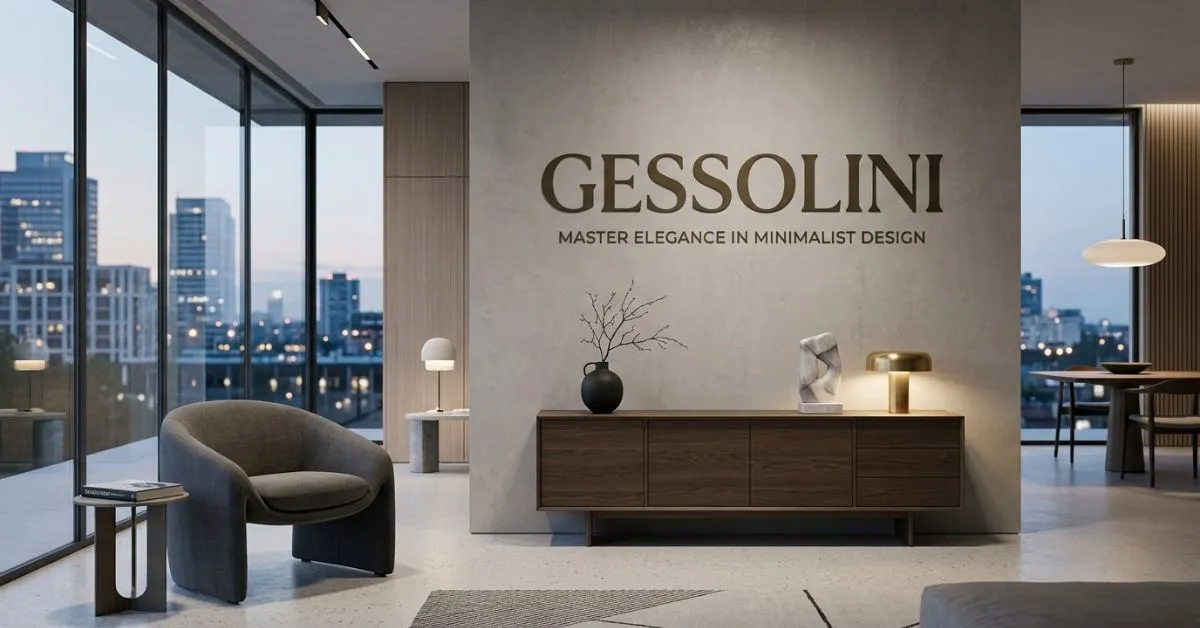
Why Gessolini is popular online and what it is have many people interested. Designers, artists, and lifestyle lovers are drawn to this word because of its distinctive aesthetic notion and its Italian roots. Knowing the definition of Gessolini might help you creatively apply it in various contexts, such as fashion, home design, or digital initiatives.
Learn the definition, history, and current applications of Gessolini in the context of branding and design with the help of this comprehensive guide. In addition, you will find out how to use it in your projects, typical pitfalls to avoid, and practical recommendations. This fascinating concept and its significance will become crystal evident to you by the conclusion.
This guide is perfect for anyone interested in creative expression and self-expression, whether you’re just starting out or are an established artist. We will delve into its practical uses, current internet fads, and business endeavours. Knowing Gessolini is crucial if you wish to remain competitive in the design or branding industries. If you want to know how to maximise its potential, this essay is for you.
What is This Concept?
Definition and Meaning
This Italian-inspired idea represents style and sophistication. It emphasizes elegance and refined artistic choices. Many creators use this concept to enhance visual appeal.
Origins of the Term
The suffix “‑ini” is common in Italian names. It adds a delicate or refined tone. This style reflects cultural heritage and creativity.
Aesthetic Principles
It is widely applied in fashion, interior spaces, and branding projects. Subtle details and minimalism are the main points. Professional designers depend on it to achieve unified and refined outcomes.
Quick Summary
In short, this concept represents elegance, creativity, and Italian influence. Applying it improves project quality and style.
Why It Matters
Addressing Design Challenges
This approach simplifies creative projects. A touch of refinement and clarity is achieved. To improve the visual appeal of their designs, many experts depend on it.
Importance in Branding and Lifestyle
It strengthens brand identity and visual storytelling. From fashion to digital projects, its influence is broad. Elegant execution captures attention and communicates value.
Trend and Popularity
This concept is gaining online popularity in 2026. Its significance and potential uses have piqued the interest of many. If you want to spark some fresh, original thinking, follow the trend.
Practical Advantages
Using this style saves time in planning and execution. It organises design elements effectively. Workflows become more efficient and results more polished.
Key Features
Elegance and Artistic Touch
The approach highlights subtle elegance in design. It adds creative details without overcomplicating projects. Designers use it to enhance visual appeal.
Versatility
It is applicable to initiatives involving branding, interior design, and fashion. Projects of all sizes reap the rewards. Being versatile, it’s perfect for all your creative requirements.
Minimalist Approach
Simple, uncluttered designs are the main emphasis. Improving professionalism is as easy as clearing the space. Minimalism ensures consistent and appealing results.
Identity Enhancement
It strengthens brand or personal identity. Projects feel unique and recognisable. Professionals rely on it for cohesive storytelling.
Practical Examples
Designers use it for digital artwork, interiors, and branding. It directs decisions on patterns, textures, and colours. The end product is refined and fashionable.
How It Works
Understanding the Style
Decisions about form and style are directed by this methodology. Minimalism, subtlety, and grace are the focal points. Consistent outcomes are guaranteed by using it.
Project Application
Begin by determining the objective of your project. Select components that mesh well with this honed idea. Keep the patterns, textures, and colours uniform.
Workflow Tips
Eliminate superfluous information and arrange tasks in a logical manner. If you want consistent results, stick to a straightforward plan. Pay attention to keeping things in check and in proportion.
Avoiding Mistakes
Refrain from using an excessive number of elements in your designs. Keep things simple and understated. The outcome will be polished and expertly done.
Example
A minimalist logo can follow this Italian-inspired style. Each detail is intentional and elegant. Recognition and appeal are enhanced.
Benefits
Boost Creativity
This method promotes creative problem-solving. It inspires refined design decisions. Users often find new creative directions.
Enhance Efficiency
Projects are outlined in a straightforward manner. The planning process is made easier and quicker. Time and tension are both saved by enhancing workflow.
Strengthen Brand Identity
Projects look professional and cohesive. Visual consistency is key to engaging audiences. The branding takes on a more distinctive and professional air.
Versatile Applications
It is useful for digital projects, home design, and fashion. You can use it for personal or business purposes. It is a useful tool because of its adaptability.
Improve Visual Appeal
All the designs seem to be well-executed and sophisticated. Subtle touches and minimalism make things look better. Professionalism and refinement permeate the finished product.
Use Cases and Applications
Beginner Projects
Start small with simple creative tasks. The concept helps develop a sense of style. Results feel elegant and well-structured.
Professional Applications
Experts utilise it for advertising and branding purposes. Cohesion across many platforms is guaranteed. Consistency and sophistication are gained by large projects.
Fashion and Lifestyle
Contemporary apparel and accessories are influenced by this style. Interior spaces and lifestyle brands benefit. Subtle elegance enhances audience appeal.
Interior Design
You can use it to guide layouts, texturing, and colour balancing. The rooms are well-arranged and warm. Aesthetics and comfort are both enhanced by minimalist concepts.
Digital Media
Websites, social media, and graphics gain polish. Visual content becomes clear and professional. The style enhances user experience.
Who Should Use It
Beginners and Hobbyists
A new generation of designers can study unity and grace. This method is suited for smaller jobs. It teaches balance and style effectively.
Professionals
Designers make sure that branding is consistent. Improvements are made in the areas of fashion, home design, and digital initiatives. The final product seems expertly put together.
Businesses
This style helps brands develop their visual identity. The marketing, branding, and wares are getting increasingly complex. Elegance and clarity elicit a stronger response from audiences.
Creative Enthusiasts
Creatives and artists enhance narratives and project attractiveness. Personal projects, too, are refined. Elevate any work with subtle elegance.
When It May Not Be Needed
Casual projects without design focus may skip it. Simpler tasks may not require refinement. When consistency and elegance are paramount, use it.
Pros and Cons
Advantages
Being consistent, creative, and professional are all made better by it. Results look polished and appealing. Users gain confidence in their projects.
Limitations
Understanding Italian-inspired principles may take time. Beginners may need practice to apply it effectively. Projects with no style requirements may see little benefit.
Comparison
Other design approaches may focus on boldness or flexibility. Subtle elegance and minimalism are the hallmarks of this style. Pick according to the project’s objectives and the aesthetic requirements.
Recommendations
Start small to learn the approach. Professionals can apply it in branding and marketing. It is best for projects requiring refinement and cohesion.
Alternatives
Competitors
Other design trends exist with different focuses. Some prioritize boldness or elaborate styles. This concept is distinct for subtlety and polish.
Feature Comparison
The method places an emphasis on unity, simplicity, and straight lines. Options provide versatility, but they could appear disorganised. Structured methodology ensures professional results.
Choosing This Approach
Select it for projects needing elegance and consistency. Works well in fashion, interiors, and digital media. Projects requiring professionalism benefit most.
Value
Enhances workflow efficiency and visual appeal. Time is saved and quality is improved by subtle elegance. Works wonderfully for jobs that value aesthetics.
Getting Started
Initial Steps
Understand the aesthetic principles. Learn minimalism, balance, and subtle elegance. This foundation guides project decisions.
First Project
Start with small tasks or designs. Focus on colours, textures, and cohesion. Keep it simple for best results.
Beginner Tips
Apply one principle at a time. Avoid overcomplicating projects. Practise consistency to improve skill.
Common Mistakes
Overcrowding designs reduces appeal. Ignoring balance and proportion is detrimental. Stick to simplicity for refined results.
Tips, Tricks, and Best Practices
Focus on Minimalism
Keep layouts simple and elegant. Avoid unnecessary elements. Minimalism enhances overall appeal.
Consistency
Use the same palette and patterns throughout. Consistency strengthens identity and style. It ensures professional results.
Learn from Examples
Observe fashion, interior, and digital projects. Analyse subtle details creating elegance. Apply these techniques in your work.
Use Tools Wisely
Pick out a programme or set of templates that encourages a minimalist style. This guarantees improvement while saving time.
Avoid Pitfalls
Keep elements from being crowded. Stay away from patterns or colours that clash. Consistently use understated, harmonious design elements.
Common Problems
Misunderstanding the Concept
Ignoring or overcomplicating balance is common among beginners. Keep things simple and understated.
Inconsistent Design
Cohesion is diminished when styles or colours are mixed. Continue using the selected colours and patterns.
Overcomplicating Projects
Designs become cluttered when too many concepts are tried at once. Refine and centre on important aspects.
Fixing Issues
Assess tasks on a frequent basis. Eliminate extraneous elements and smooth out surfaces. Minor tweaks elevate the visual appeal.
Seeking Support
Look for guides and examples online. Gain knowledge from experts and those who monitor trends. Mastering the style requires consistent practice.
Pricing and Accessibility
Free vs Paid
Some tools or templates are free. More features and personalisation are available with paid options. Pick according to what the project requires.
Value for Money
You can save time and get better results by using professional resources. The style enhances workflow and appeal. Benefits often exceed cost.
Platform Availability
Useful for projects that involve code, web-based resources, or physical objects. Digital media, interior design, and fashion all reap the rewards. The selected resources determine the accessibility.
Choosing a Plan
Consider project size and goals. Beginners may start free. Premium features are useful for professionals.
Future
Upcoming Trends
This concept continues evolving in design and branding. New tools simplify application. Elegance and minimalism are the prevailing trends.
Industry Adoption
These ideas are being used more and more in digital media, home design, and fashion. People want images that are clean and consistent. Expectations of popularity are high.
Long-Term Potential
Workflow and brand recognition are both enhanced with consistent use. Future projects can still benefit from the principles.
Integration in Projects
Digital tools, AI, and collaboration platforms can be used together to increase efficiency. Efficient and fashionable results from adaptability.
Conclusion
A potent idea, Gessolini combines exquisite design with simplicity and grace. Putting its concepts into practice boosts originality and solidifies recognition of the brand. It adds visual attractiveness to digital projects, interior design, and fashion alike. This method is great for both beginners and experts because it is both structured and flexible. Adopting Gessolini’s style guarantees that projects are well-organised, distinctive, and impressive in any creative industry.
FAQs
What is It?
A cohesive and elegant design concept influenced by Italy.
Who Benefits?
Anyone from complete newbies to seasoned pros, well-known businesses, and art lovers…
How to Start?
Learn the fundamentals, put them into practice with little projects, and be consistent.
Is it Worth Using?
Yes, trending in 2026 and valuable for polished, professional projects.
Alternatives?
Other concepts exist but may lack subtle elegance. When it comes to cohesiveness and minimalism, this method shines.















Post Comment