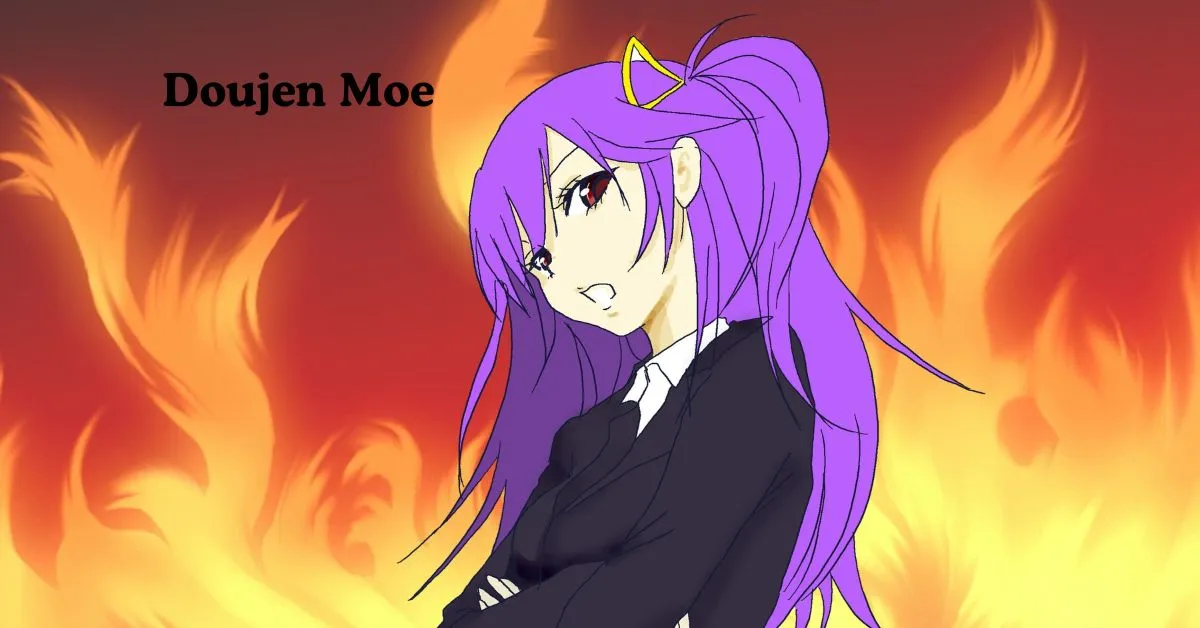
Doujen Moe: Exploring the Magical World of Fan-Created Charm
Ever stumbled across a piece of art so adorable, so full of personality, that it made your heart skip a beat? Welcome to the enchanting universe of doujen moe, a world where creativity, fandom, and affection collide. Unlike traditional fan art, doujen moe captures not just the likeness of beloved characters but also an emotional essence—innocence, charm, and vulnerability—that resonates deeply with fans. Whether it’s a comic, illustration, or short animation, each piece is a labor of love, offering a fresh perspective on familiar stories. In this article, we’ll dive into the origins, evolution, cultural impact, and controversies of doujen moe, while uncovering why this niche has become such a beloved aspect of fandom culture.
What Is Doujen Moe?
At its core, doujen moe is a fan-driven creative phenomenon originating in Japan. To break it down:
- Doujin refers to self-published works—originally crafted by amateur artists and writers—that can include manga, novels, and artwork.
- Moe captures a sense of affection and emotional attachment toward fictional characters, often highlighting innocence, cuteness, or vulnerability.
When combined, doujen moe represents fan-made creations that celebrate beloved characters in imaginative and endearing ways. Artists don’t just replicate—they reinterpret, giving characters a whimsical personality that’s uniquely their own. The charm lies in this balance between homage and originality.
Origins and Cultural Roots
The roots of doujen moe stretch back to Japan’s rich doujin culture, which has existed since the Edo period. Initially, doujin works were small-scale publications or illustrations shared among close-knit communities. Over the decades, this culture expanded alongside the rise of manga and anime, providing fertile ground for moe-inspired creations.
Moe itself became a cultural phenomenon in the 1990s and 2000s, emphasizing emotional engagement and affection toward characters. By fusing doujin practices with moe sensibilities, artists created a community-driven genre where passion and creativity thrive. It’s a culture that values not just skill but also authentic emotional expression.
How Doujen Moe Differs from Traditional Fan Art
You might wonder: isn’t this just another type of fan art? Not quite. Doujen moe stands apart in several ways:
Artistic Style and Personal Expression
While typical fan art often replicates original designs faithfully, doujen moe emphasizes individual style and interpretation. Artists infuse characters with unique expressions, poses, or outfits, creating a sense of intimacy and originality.
Medium and Storytelling
Doujen moe isn’t limited to static illustrations. It frequently expands into comics, short animations, and narrative-driven pieces that explore character interactions in imaginative scenarios.
Community and Interaction
Creators engage directly with fans at conventions, online forums, and social media platforms. This collaborative culture allows for feedback, discussions, and even joint projects, fostering a sense of shared passion that goes beyond the artwork itself.
The Evolution Across Fandoms
Originally rooted in anime and manga, doujen moe has now infiltrated video games, novels, and Western pop culture. Its adaptability is part of its charm.
- Gaming communities see doujen moe celebrating not just characters but also game mechanics and storylines.
- Social media platforms like Pixiv, Twitter, and Reddit allow artists to instantly share works globally, increasing cross-cultural exchanges and feedback.
- The genre has become a melting pot of styles and influences, where artists borrow elements from multiple media to create unique reinterpretations.
This evolution has turned doujen moe into a dynamic, worldwide artistic movement.
Notable Creators and Their Impact
Many doujen moe artists have gained recognition for their distinct flair and storytelling ability. Popular creators often blend humor, emotion, and imagination to create works that resonate with large communities.
Platforms like Pixiv and Twitter act as launchpads, giving artists exposure to global audiences. The result is a vibrant ecosystem, where creators inspire each other, fans engage with stories, and the genre itself continually grows.
The impact is twofold: doujen moe enriches the fandom experience and empowers artists to explore their creative potential while gaining acknowledgment for their talent.
Controversies Surrounding Doujen Moe
No thriving culture is without debates. Doujen moe is often discussed in terms of:
- Intellectual Property: Some creations border on plagiarism, raising ethical questions about using existing characters without permission.
- Themes and Representation: Certain works are criticized for sexualization or inappropriate portrayals, prompting discussions about morality, youth, and consent.
- Commercialization: With artists monetizing their works through Patreon or commissions, debates emerge regarding authenticity versus profit.
While controversies exist, they also fuel community discourse, leading to a more nuanced understanding of creativity, ethics, and fandom responsibility.
Global Influence and Community Impact
Doujen moe is no longer confined to Japan. Its influence spans North America, Europe, and beyond, where conventions, fan gatherings, and online platforms celebrate its creativity.
- Artists share prints, comics, and merchandise that reinterpret beloved characters.
- Cross-cultural collaborations enrich the genre, fostering innovation in storytelling and visual style.
- Communities unite globally, breaking geographical and cultural barriers through shared admiration for fan-made art.
The genre’s global reach demonstrates how a passionate fan-driven culture can influence and inspire creativity worldwide.
The Role of Social Media
The digital age has transformed doujen moe in unprecedented ways:
- Instant Sharing: Artists can showcase their work immediately to a worldwide audience.
- Feedback Loops: Fans provide immediate responses, influencing future creations.
- Community Building: Online platforms facilitate networks of like-minded creators and enthusiasts, creating collaborative projects and thematic challenges.
Social media amplifies the interactive and participatory nature of doujen moe, allowing the community to thrive and expand continuously.
Tips for Appreciating Doujen Moe
For newcomers curious about doujen moe:
- Explore Various Mediums: Look beyond illustrations—check comics and short animations for richer storytelling.
- Engage Respectfully: Comment, share, and support artists, but always respect creators’ rights and boundaries.
- Attend Conventions: If possible, join local or international fan gatherings to experience doujen moe firsthand.
- Discover Emerging Artists: Platforms like Pixiv or Twitter are full of fresh talent waiting to be appreciated.
- Reflect on Themes: Understand the emotional depth behind each work—it’s more than just cuteness; it’s a creative expression of fandom passion.
Conclusion
Doujen moe is more than fan art; it’s a vibrant, global cultural movement that blends creativity, emotion, and community. From its roots in Japanese doujin culture to its worldwide influence today, doujen moe celebrates characters with affection and imagination. While controversies exist, they reflect the passionate engagement of its fans and creators.
For enthusiasts, doujen moe offers a space to explore, create, and connect. For creators, it’s an opportunity to share personal interpretations while contributing to a collaborative tapestry of fandom. As this genre continues to flourish, one thing is certain: doujen moe is a testament to the power of fan-made creativity, leaving a lasting mark on art, storytelling, and global fandom culture.
Start exploring, support creators, and let your love for characters inspire your own creative journey
FAQs
1. Is doujen moe legal?
Yes, creating doujen moe for personal or fan use is generally tolerated, but issues arise when monetizing copyrighted characters without permission. Always respect intellectual property laws.
2. Can doujen moe be sold?
Some artists sell prints or commissions, but commercializing works featuring copyrighted characters can lead to legal complications. Original creations are always safer.
3. How is doujen moe different from general fan art?
Doujen moe emphasizes emotional attachment, cuteness, and personal interpretation, often extending into comics or short animations rather than static replication.
4. Where can I find doujen moe content?
Platforms like Pixiv, Twitter, DeviantArt, and conventions are primary hubs. Local fan communities also often host doujin circles.
5. What age group enjoys doujen moe?
While originally focused on teen and young adult fans, its appeal spans all ages due to creativity, charm, and the emotional connection it fosters with characters.