Dado À Design: Timeless Art Techniques Revealed
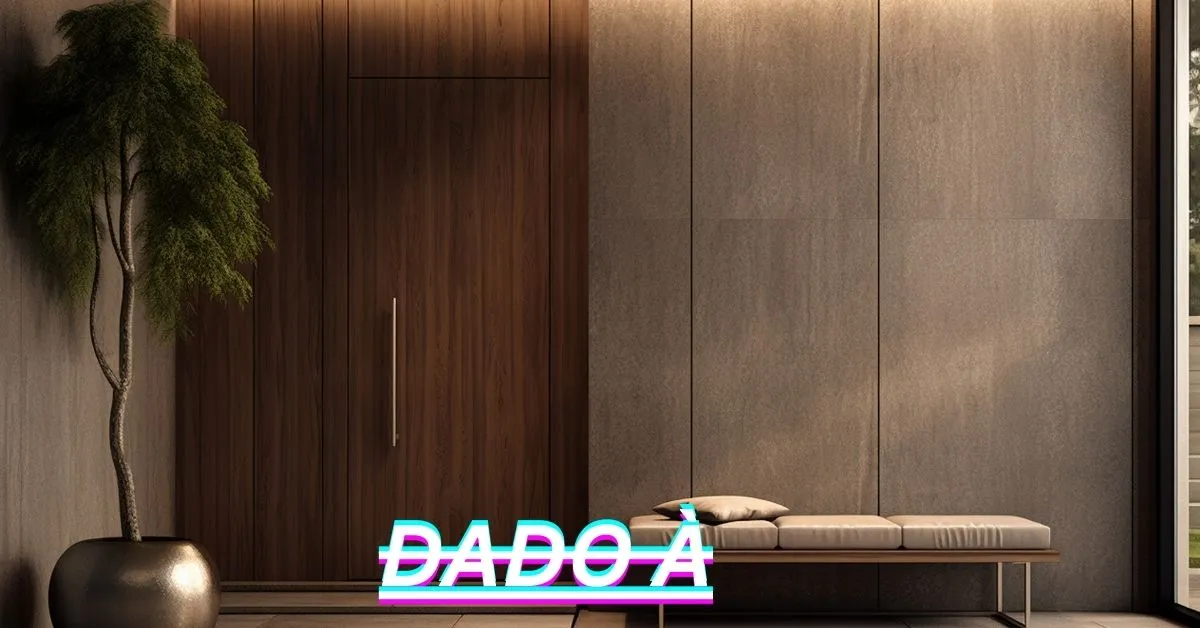
Dado À is more than a wall decoration—it’s an art form that combines history, design, and functionality. Traditionally used in architecture and interiors, it transforms ordinary walls into elegant, textured spaces. This technique adds depth and sophistication while maintaining practicality. From classical buildings to modern homes, Dado À continues to inspire designers worldwide. Learning its essence allows anyone to elevate a room’s aesthetics with minimal effort.
History and Origins of Dado À
The origins of Dado À trace back to ancient civilizations like Egypt and Greece, where craftsmanship and visual storytelling were highly valued. During the Renaissance, it became a symbol of elegance and artistry in European interiors. By the 18th century, Dado À was widely used in palaces, mansions, and furniture design. Its main appeal lies in combining beauty with functionality, providing a subtle way to enrich spaces. Today, both traditional and modern architects incorporate it for timeless charm.
Materials Used in Dado À
Creating authentic it requires the right materials. Common options include wood panels, plaster, and decorative tiles, each offering unique textures and finishes. Wood adds warmth and natural appeal, plaster allows intricate patterns, and tiles give durability with vibrant designs. Choosing the correct material depends on the space, budget, and desired effect. Proper selection ensures the final installation is visually appealing and long-lasting. Mixing materials can also create innovative, layered effects.
Techniques for Creating Dado À
Implementing it is a combination of precision and creativity. Start by measuring your walls accurately and marking the area where the dado will be installed. Use a level to ensure even placement. Layering techniques enhance depth: base layers provide structure, while decorative top layers offer pattern and texture. Tools such as trowels, brushes, and stencils improve precision. Experiment with colors, finishes, and patterns to give your walls a unique artistic signature that complements the room’s overall design.
Tips for a Perfect Dado À
Preparation is key for successful projects. Ensure your wall surface is clean, dry, and smooth before starting. Select high-quality materials that match the room’s style. Use precise measurements and sharp tools for installation. Consider the height of the dado; it should harmonize with furniture and other design elements. Finally, finish with paint, stain, or sealant to protect the surface and highlight textures. Attention to these details ensures a professional, polished result.
Common Mistakes to Avoid
One frequent error in Dado À installation is miscalculating measurements, leading to uneven or awkward lines. Another is using inappropriate or low-quality materials, which can reduce durability and aesthetic appeal. Failing to plan patterns or neglecting finishing touches can make the design look incomplete. Always double-check dimensions, choose complementary materials, and take time with the finishing process. Avoiding these mistakes guarantees a visually pleasing and structurally sound dado design.
Modern Applications of Dado À
In contemporary design, Dado À is no longer limited to classical architecture. Modern homes use it as accent walls, headboards, or decorative partitions. Retail and commercial spaces apply dado panels to guide visitors’ eyes and enhance brand aesthetics. Restaurants and galleries incorporate it for elegance and spatial interest. By blending tradition with modern techniques, Dado À remains versatile, functional, and stylish. Its ability to adapt makes it a favorite among architects and interior decorators alike.
DIY Dado À Projects
Creating a DIY Dado À wall is achievable with basic tools and guidance. Start with measuring and marking the wall, then apply your chosen material, whether wood, plaster, or tiles. Layer for depth, and use stencils for decorative patterns. Painting or staining adds the finishing touch. DIY projects allow homeowners to personalize spaces while learning a traditional art form. Even simple designs can transform a room and showcase craftsmanship.
Maintenance and Care
Proper care ensures your Dado À installation remains beautiful for years. Dust wooden panels regularly and wipe plaster or tiled surfaces with a damp cloth. Avoid harsh chemicals that can damage finishes. Inspect for cracks or loose panels periodically and repair promptly. Maintaining the surface keeps colors vibrant and textures intact, prolonging the life of the installation. With regular care, Dado À remains both functional and elegant.
Conclusion
Dado À combines history, artistry, and functionality, making it a unique design choice for homes, offices, and public spaces. Its versatility allows adaptation from classical interiors to contemporary aesthetics. Proper material selection, precise techniques, and careful finishing ensure professional results. Avoiding common mistakes and applying modern creativity elevate any project. By embracing Dado À, designers and DIY enthusiasts alike connect with centuries of craftsmanship while adding lasting beauty to their spaces.
















Post Comment