Understanding Babybelletje: A Sweet Baby Nickname
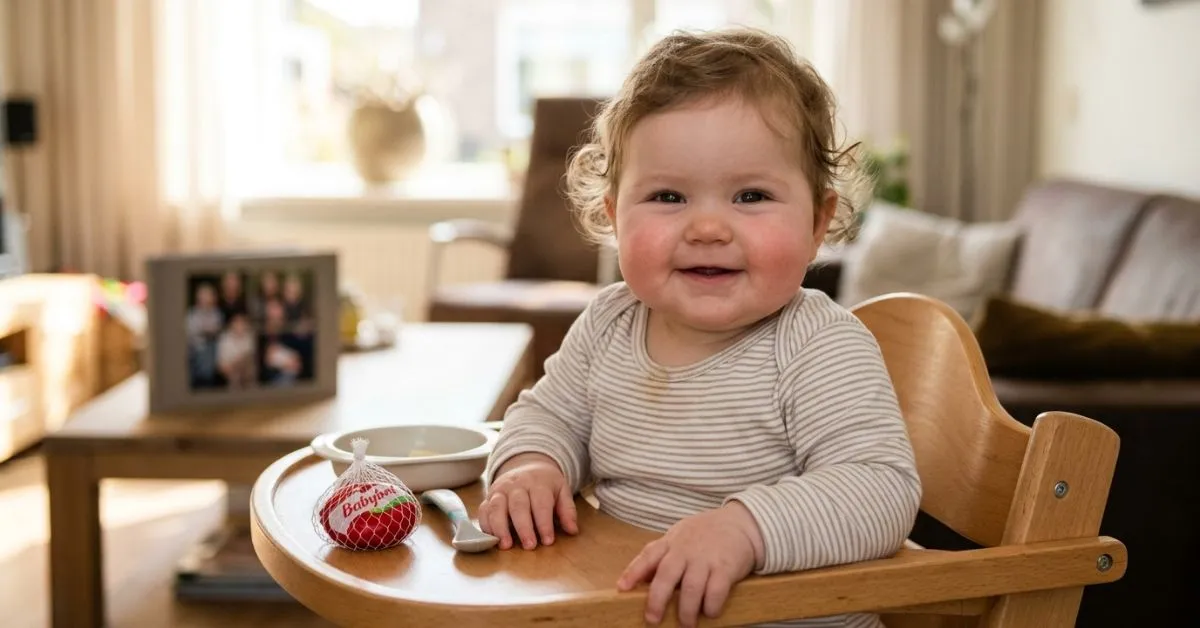
Every family feels love, happiness, and warmth when they have a baby. Whenever parents talk to their kids, they often use nice, loving words. ‘Babybelletje’ is a cute word that people look for these days. Many people want to know what “babybelletje” means and why it sounds adorable.
People often think of love, care, and soft baby talk when they hear the word “babybelletje.” In many countries, parents give their kids nicknames to show how much they care about them. These names make talking to each other more personal and emotional. That’s why many families around the world give their babies cute nicknames.
Many people look this word up online to find out what it means and where it comes from. Some people want to know what it means in Dutch culture. Others just enjoy finding cute baby words that sound funny and sweet. We often hear things like these kinds of statements on parenting blogs, on Instagram, and on other social media sites.
Babybelletje Meaning Explained
What Does This Cute Term Mean?
Babybelletje is a loving word that is often used to call a baby. It has a soft, sweet, and fun sound. A lot of parents say things like this to show they care.
People don’t always use this word in an official way. Instead, it’s more like a cute phrase that people use every day. These names are often given to children by their parents out of love.
Simple Definition
This cute word is used to talk about a small, cute baby in a kind way. It brings feelings of love and tenderness. It has more of an emotional sense than a literal one.
When parents talk to their kids, they like to use soft words. These kinds of words help people get closer. That is why baby names that mean “love” are so common.
Meaning in Dutch Context
Smaller versions of words are often made to sound cute in Dutch-style language. This is done by giving words unique ends. With these ends, the word sounds kinder and more loving.
The Dutch feel nice and friendly when they use the word this way. It goes well with other cute baby phrases. This kind of phrase is used a lot in family life.
Meaning in English
There is no exact word in English for this one. But it sounds like words like “sweet baby” or “little baby”. Also, these words show love and care.
Parents who speak English also use a lot of cute nicknames. These names are nice for kids to feel unique. In baby talk, words that are soft and fun are often used.
Origin of the Word
Word Formation Background
This charming nickname likely comes from Dutch-style word formation. In Dutch, small or cute forms are created using special endings. These endings make words sound more affectionate.
Many languages use this technique to show love. That is why baby-related words often sound gentle. The origin reflects this tradition.
Language Influence
The meaning is connected to affectionate speech. Parents often change words to make them sound playful. This style is common in family communication.
In many cultures, people automatically make cute faces. These words aren’t always important. They learn from the things they talk about every day.
Cultural Importance
Giving babies nicknames is a practice in many families around the world. Parents like giving their kids names that show they care. These names make communication more emotional.
Families across cultures create unique and sweet nicknames. These expressions feel personal and special. This word follows the same loving idea.
How It Is Used in Everyday Language
As a Baby Nickname
People love to call each other by this word. It can be said while holding or playing with a child. It makes the moment warmer.
Many families enjoy using soft and playful names at home. These nicknames help express love. They make daily life more joyful.
On Social Media
Today, many parents share baby moments online. They often use endearing terms like this in captions. It adds an emotional and sweet touch.
Platforms like Instagram and Pinterest feature many baby posts. These posts help spread adorable expressions. More people discover such words every day.
In Family Conversations
Family members can also use this name to talk to a baby. Friends, family, and grandparents may say it with love. It sounds kind and gentle.
Using affectionate names is common in daily life. These words comfort babies. They also create joyful memories.
Why Cute Baby Nicknames Matter
Emotional Bond
Parents use loving words to build a strong connection. These words help babies feel safe. They also create trust and comfort.
A soft nickname can make moments more special. It shows care and tenderness. This strengthens the parent-child bond.
Role of Baby Talk
Many parents naturally use simple and soft words. Babies respond well to these sounds. Gentle speech makes communication easier.
Cute expressions also make interactions fun. Babies react with smiles and joy. This approach makes parenting more enjoyable.
Comfort and Development
Soft sounds make babies feel calm. Sounds they know help them feel safe. People use nicknames all the time.
Loving words also support emotional growth. Babies begin to connect sounds with feelings. This helps early development.
Cute Baby Nicknames Similar to This One
In Dutch Culture
Many Dutch families use sweet baby nicknames. These names sound playful and soft. This term follows the same pattern.
Parents often add endings to make words sound adorable. This makes the nickname more loving. It is a common tradition.
Around the World
Different cultures have their own baby nicknames. English parents may say “little angel” or “sweetheart”. These names express love.
Most languages create soft and simple words. These are easy for babies to hear. That is why they are widely used.
Why Parents Love Them
Parents enjoy creating unique names. These names feel personal and meaningful. They often come from special moments.
Nicknames bring joy to daily life. They create smiles and laughter. This makes them very popular.
When and Where It Is Used
At Home
This nickname is often used in daily routines. Parents may say it while feeding or playing. It adds warmth to simple moments.
These small interactions build strong bonds. The word feels comforting. It becomes part of family life.
In Blogs
Writers use such terms in parenting blogs. It makes content feel friendly and emotional. Readers connect more easily.
Bloggers use adorable expressions to describe babies. This makes stories more engaging. It adds charm to writing.
In Online Communities
Parents also use this nickname in online groups. It appears in posts and comments. People share experiences and stories.
These communities spread loving expressions. Words become popular through sharing. They become part of modern parenting culture.
The Role of Language in Baby Communication
Soft Words Matter
Parents use gentle words with babies. These words are simple to understand. They create a calm environment.
Soft speech helps babies feel content. It builds emotional safety. That is why it is so common.
Preferred Sounds
Babies respond better to simple sounds. Harsh tones can feel uncomfortable. Gentle expressions work best.
Repeating soft words helps learning. Babies recognise familiar sounds. This builds trust and comfort.
Early Learning
Affectionate speech helps language development. Babies begin to recognise voices. This supports early learning.
They connect words with emotions. Over time, communication improves. This is important for growth.
Why This Word Sounds So Cute
Use of Diminutives
The word sounds charming because of its structure. Diminutives make words feel smaller and softer. This statement shows affection.
Many languages use this style. It adds emotional value. That is why people enjoy it.
Gentle Sound
The pronunciation is soft and smooth. It flows easily when spoken. This makes it pleasant to hear.
Gentle sounds are important in baby talk. Babies respond better to them. It creates a calm feeling.
Emotional Effect
Cute words create happiness. They bring parents closer to their babies. They make daily life more joyful.
These simple words hold profound meaning. They create lasting memories. That is why they are special.
Baby Language in Modern Parenting
Blog Trends
This type of nickname is becoming popular online. Bloggers use it to describe baby moments. It adds warmth to content.
Parents enjoy reading such content. It feels emotional and real. This keeps the trend growing.
Social Media Influence
Social media spreads baby-related words quickly. Parents share captions with adorable names. This makes posts more engaging.
Platforms like Instagram and Pinterest help these words grow. They reach a global audience. This increases popularity.
Rising Popularity
Parents want unique and meaningful names. They seek creative options. This trend makes special nicknames popular.
Cute and emotional words stand out. They feel different from common names. That is why people search for them.
How Parents Can Create Their Own Nicknames
Using Simple Sounds
Parents can create names using soft sounds. These sounds feel natural and loving. They are easy to say.
Repeating sounds often creates cute results. This makes the nickname more special. It feels personal.
Cultural Inspiration
Parents may use ideas from different languages. They can mix words or add endings. This creates unique names.
Culture plays a big role in naming. Each language has its style. This creates variety.
Personal Touch
Families create names based on memories. These names feel meaningful. They become part of family identity.
Using special nicknames strengthens bonds. Each name tells a story. It becomes a cherished memory.
SEO Insight: Why People Search for This Term
Curiosity About Unique Words
Many people search this term because it sounds different. They want to know its meaning. It often appears in baby content.
People are curious about adorable expressions. This trend drives search interest. It makes the term popular.
Parenting Trends
Parenting topics are widely searched online. Readers look for baby name ideas. Cute expressions fit this trend.
Emotional content attracts attention. Parents enjoy reading it. This keeps it trending.
Social Media Impact
Social media increases curiosity. People see captions and want to learn more. This leads to searches.
Platforms spread words quickly. This boosts popularity. It keeps interest growing.
Examples of Usage
In Daily Talk
Parents may use this word in daily conversation. It adds a loving tone. It makes moments more special.
For example, a parent might say, “Come here, my little one.” This shows affection. It feels warm.
In Captions
Parents use such words in photo captions. It makes pictures feel more emotional. It adds personality.
These captions are popular online. They express love simply. They connect with others.
In Stories
Writers use endearing terms in parenting stories. It adds softness to the tone. Readers relate easily.
It also makes content engaging. It adds a personal touch. This improvement enhances storytelling.
conclusion
‘Babybelletje’ is a cute and loving word that expresses love and warmth in parenting. It shows how simple words can help parents and babies feel close to each other. Cute nicknames like this make every day more fun and important. These kinds of phrases stay unique because they become part of family practices and memories.
FAQs
What does this word mean?
It is a cute and affectionate term for a baby. It shows love and care. It sounds soft and playful.
Is it a real word?
It is used in informal language. It may not appear in all dictionaries. It is mostly a nickname.
Where does it come from?
It comes from Dutch-style word formation. It uses soft endings to sound cute. This is common in many languages.
Can it be used as a nickname?
Yes, it is often used as a loving nickname. Parents use it in daily life. It creates a warm bond.
Are there similar names?
Yes, many cultures have similar nicknames. Parents create their own versions. All express love and affection.














Post Comment