Famous Philippine Churches: Explore, Admire, Worship
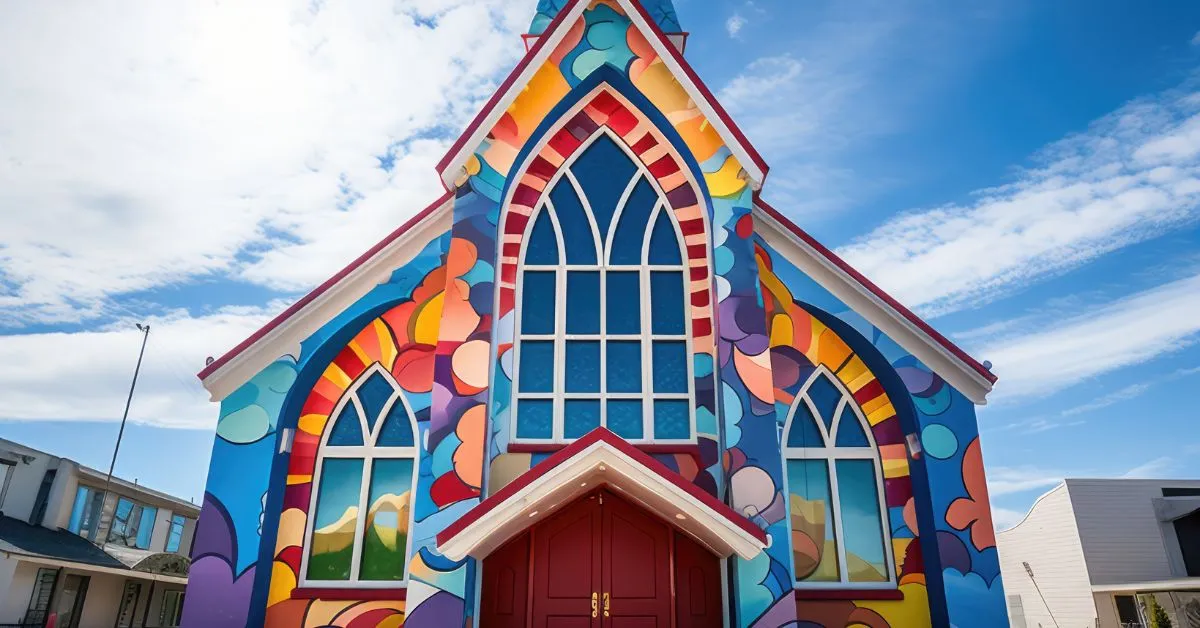
The Famous Philippine Churches is a country rich in history, culture, and faith, with Catholicism deeply embedded in its traditions. Among its most remarkable treasures are the famous Philippine churches, which blend stunning architecture, centuries-old traditions, and spiritual significance. From colonial-era stone churches to modern basilicas, these sacred sites showcase Filipino devotion and craftsmanship. Travelers, historians, and devotees alike are drawn to these churches to witness both beauty and heritage. In this article, we will explore some of the most iconic churches in the Philippines, their history, architecture, and cultural importance.
San Agustin Church, Manila
Located in the historic walled city of Intramuros, San Agustin Church is the oldest stone church in the Philippines. Built in the late 16th century, it is a UNESCO World Heritage Site, recognized for its baroque architecture. The interiors feature intricate ceiling murals, wooden carvings, and religious artworks that tell biblical stories. San Agustin has survived earthquakes and wars, reflecting both resilience and faith. Visiting this church offers a glimpse into Manila’s colonial past and the enduring devotion of its people.
Paoay Church, Ilocos Norte
Paoay Church, also known as St. Augustine Church, is famous for its unique baroque architecture with massive buttresses designed to withstand earthquakes. Built in 1710, it is a UNESCO World Heritage Site and a symbol of Ilocos Norte’s religious heritage. The combination of Gothic, Baroque, and Oriental designs makes it an architectural marvel. Its serene surroundings and historical significance attract both pilgrims and tourists. The church represents the fusion of local artistry and Spanish colonial influence, making it a must-visit destination in Northern Philippines.
Miagao Church, Iloilo
Another UNESCO World Heritage Site, Miagao Church or Santo Tomas de Villanueva Parish Church, is known for its imposing fortress-like appearance and intricate facade. Constructed in 1787, it features bas-reliefs depicting religious motifs and local flora, symbolizing both faith and culture. The church served as a refuge during Moro raids, highlighting its historical role in community protection. Visitors admire its detailed carvings and massive stone walls while learning about Iloilo’s religious history. Miagao Church stands as a testament to Filipino resilience and devotion through centuries.
San Sebastian Basilica, Manila
The San Sebastian Basilica, located in Manila, is renowned for its neo-gothic architecture and all-steel structure, making it unique in Asia. Completed in 1891, it features stunning stained-glass windows imported from France and intricate spires that dominate the skyline. The basilica is a center of devotion and pilgrimage, particularly during feast days. Its architectural brilliance and engineering innovation reflect the Filipino’s dedication to faith and aesthetics. San Sebastian Basilica continues to be a key religious and cultural landmark in the Philippines.
Baclayon Church, Bohol
Baclayon Church, one of the oldest churches in the Philippines, was established in 1596 by Jesuit missionaries. Located in Bohol, it showcases Spanish colonial architecture with coral stone walls and a massive bell tower. The church houses a museum featuring centuries-old religious artifacts, vestments, and statues. Baclayon Church survived earthquakes but required restoration topreserve its historical charm. It remains a center for worship and community life, attracting tourists interested in Filipino heritage and ecclesiastical history.
Quiapo Church, Manila
Officially known as the Minor Basilica of the Black Nazarene, Quiapo Church is one of the most famous churches in the Philippines due to its annual Feast of the Black Nazarene. Millions of devotees flock to the church every January to participate in the procession, reflecting deep religious fervor. The church’s architecture is modest compared to colonial churches, but its cultural and spiritual importance is immense. Quiapo Church is a symbol of faith, devotion, and community, making it a must-see for visitors and pilgrims alike.
Miagao, Paoay, and Other UNESCO Churches
Several Philippine churches, including Miagao, Paoay, and San Agustin, are recognized by UNESCO for their unique baroque architecture and historical significance. These churches share common features such as massive buttresses, intricate facades, and defensive structures, reflecting both artistic mastery and practical design for natural disasters. Pilgrims and tourists alike are drawn to these churches for their aesthetic beauty, spiritual significance, and historical stories. Visiting these sites provides insights into the Spanish colonial influence and Filipino ingenuity.
Cultural and Religious Importance
Famous Philippine churches are not only architectural marvels but also central to Filipino culture and spirituality. They host daily masses, sacraments, and annual festivals that attract thousands of devotees. Religious processions, musical performances, and local traditions are celebrated within these churches, preserving centuries-old customs. These churches serve as community centers where social, cultural, and spiritual lives intersect. They remain living institutions, continually shaping and reflecting the Filipino identity.
Visiting Tips for Tourists and Pilgrims
When visiting Philippine churches, it’s important to respect religious practices. Modest clothing is required, and quiet reverence is expected inside sacred spaces. Early morning visits offer a peaceful experience and avoid large crowds during feast days. Guided tours often provide rich historical context, explaining architectural features, legends, and significant events. Participating in local religious activities, like lighting candles or attending mass, allows visitors to connect deeply with the spiritual essence of these churches.
Preserving the Heritage of Philippine Churches
Preservation efforts are crucial for maintaining the legacy of famous Philippine churches. Restoration projects, structural reinforcements, and community engagement ensure these churches survive natural disasters and urban development. UNESCO recognition, like that given to San Agustin, Miagao, and Paoay Churches, highlights global cultural significance. Local communities and religious organizations also educate future generations about the historical and spiritual importance of these churches. Preservation sustains both the architectural beauty and spiritual vitality of these sacred landmarks.
Conclusion
Exploring famous Philippine churches is a journey into history, art, and spirituality. Each church tells a story of devotion, resilience, and cultural richness. From the grand baroque cathedrals of Intramuros to the fortress-like churches of the provinces, visitors experience the beauty of Filipino faith and craftsmanship. These sacred spaces offer not just aesthetic admiration but also personal reflection and spiritual enrichment. By visiting these churches, travelers and devotees alike gain a deeper understanding of the Philippines’ rich religious and cultural heritage.















Post Comment