Catholic Churches in Manila: Explore, Worship, Discover
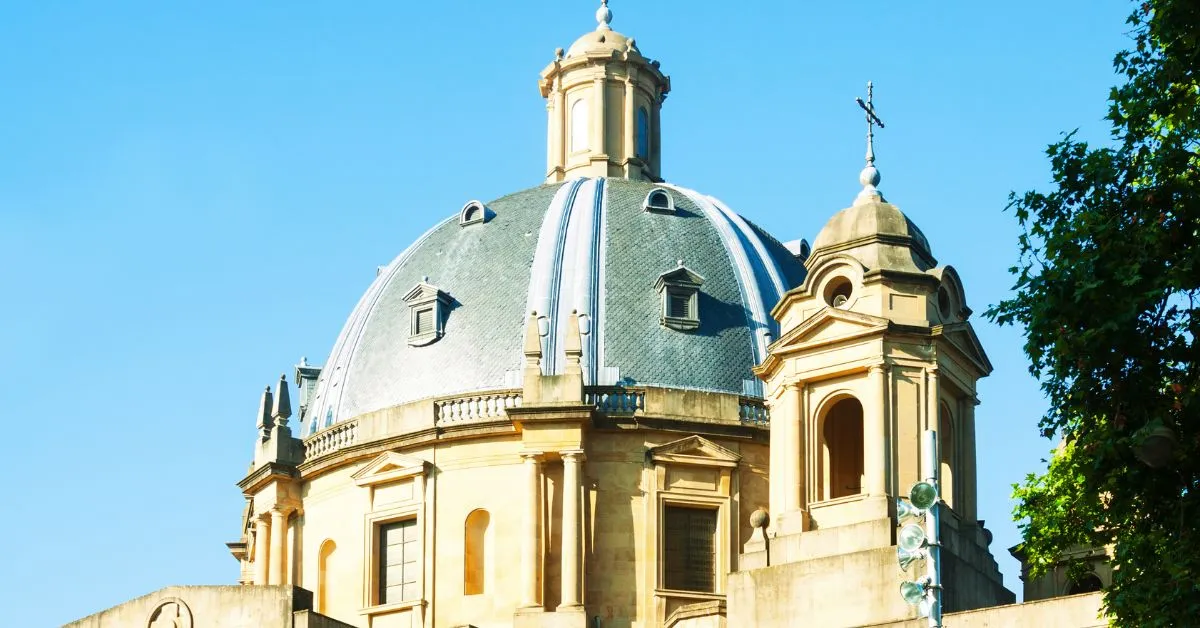
Manila, the vibrant capital of the Philippines, is home to a rich tapestry of history, culture, and spirituality. Among its most treasured landmarks are the Catholic churches in Manila, which showcase stunning architecture, -old traditions, and deep religious significance. From historic Spanish-era cathedrals to modern parishes, these churches have played an integral role in shaping Manila’s cultural identity. Whether you are a devout visitor, a history enthusiast, or a curious traveler, exploring these sacred spaces is a journey into the heart of Filipino faith. In this article, we will uncover the beauty, history, and spiritual importance of Catholic churches in Manila.
The Historical Significance of Catholic Churches in Manila
The story of Catholic churches in Manila begins with the arrival of Spanish missionaries in the 16th century. These churches were not only places of worship but also centers of community life, education, and social organization. Iconic structures such as San Agustin Church and Manila Cathedral reflect Spanish colonial architecture with ornate details and grand facades. These churches have withstood wars, natural disasters, and modernization, standing as a testament to Manila’s enduring faith. They preserve centuries of history, religious practices, and cultural heritage, offering visitors a window into the past.
Architectural Marvels of Manila’s Catholic Churches
The architecture of Catholic churches in Manila is a remarkable blend of European influence and local artistry. San Agustin Church, a UNESCO World Heritage Site, is famous for its intricate baroque interiors and trompe-l’oeil ceiling paintings. Manila Cathedral showcases neo-Romanesque design with beautiful stained glass windows and massive bell towers. Many churches feature grand altars, intricately carved doors, and religious statues that depict biblical stories. Visiting these churches is like walking through history, where every corner tells a story of devotion, craftsmanship, and spiritual dedication.
Notable Catholic Churches in Manila to Visit
Manila boasts numerous Catholic churches worth exploring. San Agustin Church, located in Intramuros, is the oldest stone church in the Philippines. Manila Cathedral, also in Intramuros, serves as the ecclesiastical seat of the Archdiocese of Manila. Quiapo Church, formally known as Minor Basilica of the Black Nazarene, attracts millions of devotees during the annual feast of the Black Nazarene. Binondo Church, one of the oldest in Chinatown, combines Chinese and Spanish influences. Each of these churches has unique traditions, stories, and architectural styles, making them essential stops for anyone exploring Manila’s spiritual heritage.
Cultural and Religious Importance
The Catholic churches in Manila are more than just historic buildings—they are centers of faith and community. They host masses, weddings, baptisms, and other sacraments, serving thousands of devotees daily. Festivals such as the Feast of the Black Nazarene in Quiapo bring millions together, reflecting the deep spiritual connection Filipinos have with their churches. These churches also play a role in preserving Filipino culture, from religious music and processions to traditional art and craftsmanship. They are living institutions that continue to influence social, cultural, and spiritual life in Manila.
Visiting Tips for Tourists and Pilgrims
When visiting Catholic churches in Manila, it is important to respect local customs and dress codes. Modest attire is required, and photography may be restricted in some areas. Early morning visits are ideal to experience peaceful prayer and avoid crowds. Many churches offer guided tours that provide historical context, architectural highlights, and stories of saints and miracles. Visitors should also take the time to light candles, attend mass, or participate in local festivities to fully immerse in the spiritual atmosphere of Manila’s sacred spaces.
Preserving the Heritage of Catholic Churches in Manila
Preservation efforts are crucial for maintaining the grandeur of Catholic churches in Manila. Restoration projects, structural reinforcements, and community support ensure these historic sites survive natural disasters and urban development. UNESCO recognition, such as that given to San Agustin Church, highlights their global cultural significance. Local parishes also engage in educational programs to teach younger generations about the history and importance of these churches. Preservation not only protects architecture but also sustains the spiritual and cultural legacy for future generations.
Conclusion
Exploring Catholic churches in Manila is a journey that combines faith, history, and culture. These sacred spaces reflect centuries of devotion, artistic brilliance, and community life. From iconic cathedrals to humble parish churches, each site offers a unique experience of Filipino spirituality. Visitors can appreciate architectural beauty, participate in religious traditions, and connect with the enduring faith of Manila’s residents. By visiting these churches, you not only witness remarkable history but also experience the heart and soul of Manila through its religious heritage.















Post Comment