Ruisseau d’Avenelle Nature’s Hidden Gem
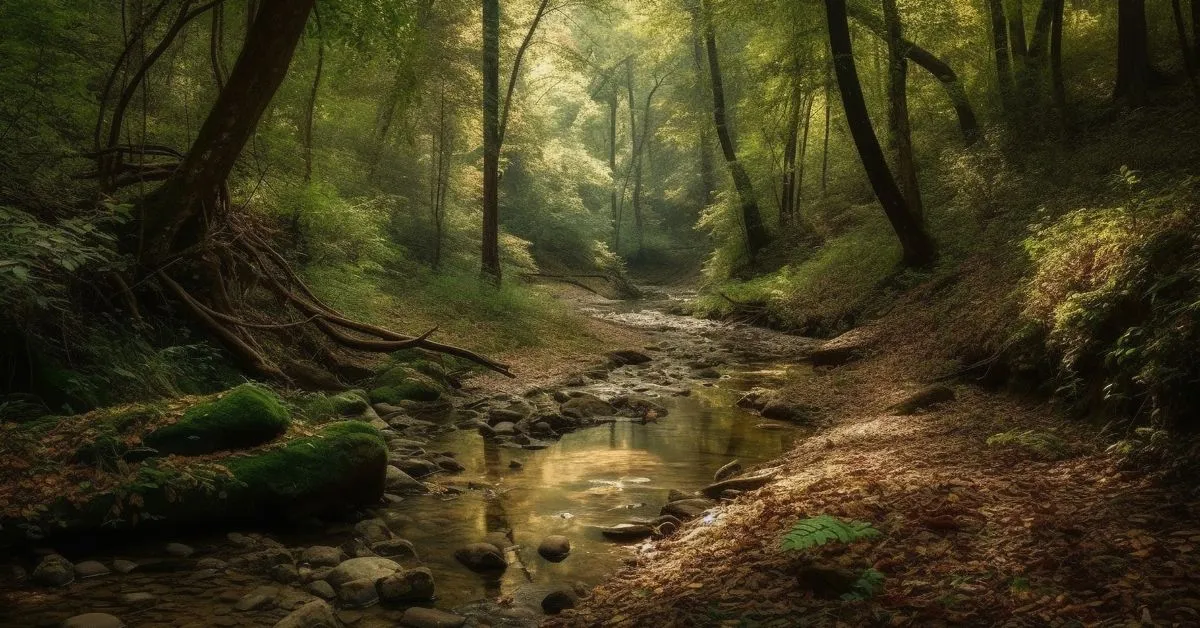
The Ruisseau d’Avenelle is a serene stream flowing through lush landscapes, vibrant vegetation, and historically rich areas. While modest in size, its ecological, cultural, and natural value is remarkable. Travelers, nature enthusiasts, and researchers are drawn to its calm waters and fascinating biodiversity. This stream embodies the perfect blend of tranquility, history, and environmental significance. Exploring it offers a rare opportunity to connect deeply with nature.
Understanding the Geographic and Natural Origins of the Ruisseau d’Avenelle
The Ruisseau d’Avenelle forms part of an extensive freshwater network supporting abundant plant and animal life. Its journey across valleys, fields, and wooded areas gradually shaped the surrounding habitats. The stream’s formation is influenced by centuries of natural erosion and underground springs that feed its flow. Seasonal rainfall affects water depth and clarity, yet the current remains steady throughout the year. Spring brings rejuvenation, nourishing the ecosystem and enhancing biodiversity around the stream.
Ecological Richness
The ecological diversity near Ruisseau d’Avenelle is impressive. A variety of plants thrive along its banks, including water mint, marsh grasses, stream-side wildflowers, mosses, and algae. These species prevent soil erosion and provide habitats for numerous creatures. Amphibians such as frogs and newts, small freshwater fish, aquatic birds, and insects like mayflies and damselflies rely on the stream. This biodiversity highlights the stream’s importance in maintaining a healthy ecosystem and emphasizes the need for conservation.
Cultural and Historical Background
Beyond nature, Ruisseau d’Avenelle holds cultural and historical significance. Local communities historically relied on it for farming, livestock, and household needs, shaping settlement patterns and agricultural practices. Folklore surrounds the stream, with stories of protective spirits and healing waters passed down through generations. Its calm scenery inspired painters, writers, and photographers, making it a regional symbol of natural beauty and cultural identity. These aspects enrich the stream’s significance and connect human history with the environment.
Things to Do and Experience at the Ruisseau d’Avenelle
Visitors to Ruisseau d’Avenelle enjoy a variety of activities. Walking and nature trails offer gentle routes for observing wildlife and scenic views. Photographers capture misty mornings, sunlit reflections, vibrant spring greenery, rustic autumn colors, and serene winter landscapes. Educational programs often use the stream as an outdoor classroom for studying freshwater ecosystems. Students can explore insects, amphibians, plant life, and water system dynamics. Whether for relaxation, recreation, or learning, the stream provides meaningful engagement with nature.
Environmental Protection and Challenges Affecting
Despite its peaceful appearance, Ruisseau d’Avenelle faces environmental challenges. Agricultural runoff introduces chemicals, land development reduces habitats, and climate change alters seasonal water levels. Litter and pollution from visitors also impact the ecosystem. Local conservation groups monitor water quality, restore vegetation, promote sustainable farming, and host cleanup events. Eco-friendly tourism initiatives further protect the stream. These measures aim to ensure the stream’s health, preserving its biodiversity and natural charm for future generations.
Why the Ruisseau d’Avenelle Continues to Inspire Visitors
The Ruisseau d’Avenelle captivates visitors with its natural beauty, ecological significance, and cultural depth. Its calm waters create an atmosphere of reflection and relaxation, offering a peaceful escape from busy urban life. Unlike commercialized attractions, the stream provides an authentic connection to nature. Abundant wildlife, seasonal scenery, and historical richness enhance the visitor experience. This unique combination of features makes Ruisseau d’Avenelle a destination for inspiration, learning, and environmental appreciation.
Conclusion
The Ruisseau d’Avenelle is far more than a quiet water stream. It is a living ecosystem, a cultural heritage site, and a natural treasure. Its diverse flora and fauna, historical relevance, and serene landscapes make it invaluable for both ecological and human communities. Visitors can walk its trails, study its wildlife, or simply enjoy its peaceful ambiance. Supporting conservation and eco-friendly tourism ensures that this hidden gem continues to flourish for generations. Ruisseau d’Avenelle represents a meaningful connection between nature, culture, and education, making it a must-visit destination.
FAQs
What makes the Ruisseau d’Avenelle unique?
Its combination of natural beauty, rich biodiversity, and historical significance makes it a one-of-a-kind stream.
Can the public visit the Ruisseau d’Avenelle?
Yes, it is open for walking, sightseeing, photography, and educational activities.
What wildlife lives near the Ruisseau d’Avenelle?
Amphibians, small freshwater fish, aquatic birds, insects, and diverse plant species thrive around the stream.
Is the Ruisseau d’Avenelle protected?
Yes, local conservation efforts focus on maintaining water quality, habitats, and surrounding natural areas.
When is the best time to visit?
Spring and early summer offer vibrant scenery, but each season provides unique and beautiful views














Post Comment