Pappedeckel: Why the Humble Cardboard Lid Could Be a Big Deal for Our Planet
Introduction
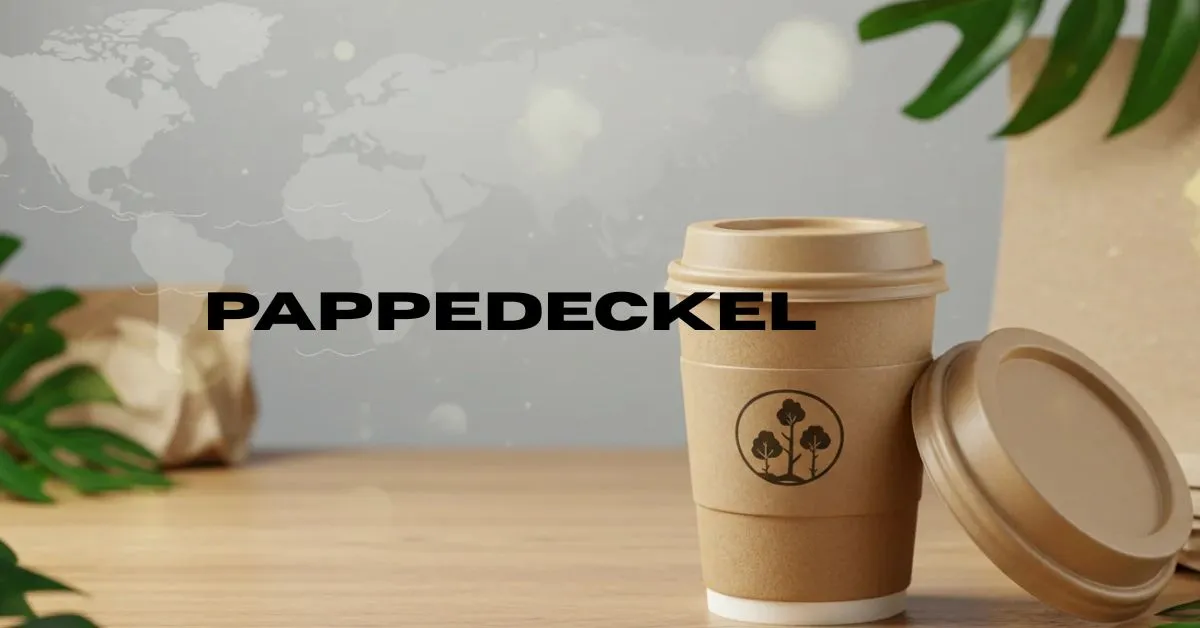
Imagine you’re at a café with your favourite coffee in hand, and instead of a hard plastic lid, there’s one made of thick recycled paperboard. Subtle, right? Yet it could be a small change with a big impact. That lid is known as a Pappedeckel — the German term for “cardboard lid” — and it’s quietly becoming a meaningful player in sustainable packaging. In an age where plastic waste chokes landfills and oceans, switching to recycled, compostable alternatives isn’t just a trend: it’s essential. In this article, I’ll walk you through what Pappedeckel really is, why it matters, how it’s made and used, plus what challenges and futures are ahead. Think of this as your friendly “everything you need to know” guide to cardboard lids.
What is a Pappedeckel?
The basics
“Pappe” in German means cardboard or paperboard, and “Deckel” means lid or cover — so literally “cardboard lid.” These lids are typically made of paper-based materials: recycled fibres, sustainably sourced wood pulp, and sometimes enhanced with moisture-resistant coatings.
Unlike typical plastic or foam lids, Pappedeckel are designed to be biodegradable and recyclable, offering a “greener” seal for containers and cups. They also serve as a platform for brand messaging, printing, and custom shapes.
Evolution & context
While the concept of a lid isn’t new, the shift to paper-based lids reflects growing awareness around single-use plastics. Historically, many lids were plastic or metal; as environmental regulations and consumer interest increase, “paperboard” alternatives have moved from niche to mainstream.
Why Pappedeckel Are Gaining Popularity
Eco-friendly credentials
- Reduced plastic waste: By substituting plastic lids with cardboard ones, you reduce dependency on fossil-fuel derived polymers.
- Biodegradability & recyclability: Many Pappedeckel can be composted or recycled through paper streams, which is far less damaging than plastic that sits for centuries.
- Lighter carbon footprint: The energy and resource cost of producing recycled paperboard tends to be lower than producing virgin plastic, so switching to paper lids helps reduce environmental impact.
Branding, consumer perception & market trends
People are more conscious these days — when a café offers a cardboard lid instead of plastic, it signals “we care.” That has value in branding and customer loyalty.
Markets are also shifting: regulatory pushes against single-use plastics, consumer demand for “green” packaging, and companies trying to future-proof their supply chains all point toward alternatives like Pappedeckel.
Practical benefits
Beyond environmental benefits, these lids are:
- Customizable: Shape, printing, logos, QR codes for marketing or recycling instructions.
- Versatile: Used for food, beverages, take-away, jars, retail packaging, and more.
- Cost-effective (in many cases): Especially when produced in scale, paper-based lids can compete with plastic alternatives in terms of cost and logistics.
Pappedeckel vs Traditional Plastic or Metal Lids
| Feature | Cardboard Lid (Pappedeckel) | Plastic/Metal Lid |
| Material type | Paperboard, recycled fibres, sometimes coating | Polymer (plastic) or metal |
| Biodegradability / recyclability | Often compostable or recyclable through paper streams | Plastic often not compostable; metal recyclable but high energy cost |
| Carbon/resource footprint | Lower when recycled material and efficient production used | Often higher, especially if virgin plastic used |
| Customization & branding | High — easy to print, shape, coat | Varies — plastic often printed but may cost more; metal limited |
| Durability (especially in wet/steam environments) | Good, but can be challenged by moisture | Strong in many challenging conditions |
| Consumer perception | Positive for eco-conscious buyers | May be perceived as traditional or less eco |
| Cost & logistics | Lightweight, stackable, potentially lower cost | May cost more in terms of material, weight, shipping |
Example scenario
Say a coffee shop switches from standard plastic lids to Pappedeckel lids. They may see: fewer complaints from eco-aware customers, reduced plastic waste to manage, opportunities to print their logo or a sustainability message on the lid. There might be initial cost or supply chain adjustments (e.g., ensuring the new lids fit the existing cups, verifying moisture performance), but the benefits could include improved brand image and waste savings.
Manufacturing and Material Considerations
Production steps
To get a Pappedeckel from raw material to finished product, typical steps include:
- Material sourcing: recycled fibres or virgin sustainably managed pulp, sometimes certified (e.g., FSC).
- Sheet forming & preparation: making paperboard sheets of required thickness and strength.
- Die-cutting/shaping: cutting the lid shape (round, square, custom) to fit the container.
- Optional coating or lamination: applying a moisture-resistant, biodegradable coating if needed (especially for food/beverage use).
- Printing & branding: adding logos, QR codes, sustainability messages, etc.
- Quality control & packaging: checking for consistency, packaging for shipment.
Material and performance considerations
- Moisture resistance: Cardboard naturally absorbs moisture. If the lid is used for hot drinks or containers with steam/condensation, an appropriate coating or board grade is critical. Otherwise, durability suffers.
- Fit and sealing: To perform like a lid, it must fit the container snugly, prevent spills or contamination, and withstand handling and transport.
- End-of-life considerations: Its design must allow recycling or composting. If coated with non-recyclable plastics, the benefit diminishes.
- Cost & supply chain: Sourcing sustainable board, coatings, and manufacturing at scale may involve higher upfront cost or new suppliers.
Applications & Use Cases
Food & beverage industry
- Take-away coffee cups: Pappedeckel provide a paper-based alternative to plastic sip-lids.
- Soup bowls, snack trays: Lids for disposable food containers.
- Restaurants and cafés focused on sustainability often adopt these to align with their brand values.
Retail, cosmetics & other sectors
- Jars of creams or lotions: A Pappedeckel can serve as the protective lid, combining aesthetics and eco-credentials.
- Shipping and storage: As protective covers or separators in boxes, the cardboard lids can be used for transport protection and branding.
- Events and promotional packaging: Because they can be printed and custom-shaped, these lids can serve as marketing tools.
DIY, creative & smaller business use
Smaller brands, craft businesses, or DIY enthusiasts can prototype their own cardboard lids: cut board to size, apply a light coating, print branding, test fit. It offers an approachable way to experiment with packaging innovation.
Branding, Marketing & Consumer Perception
Packaging is no longer just functional — it’s a part of the brand story. Pappedeckel gives brands a tangible way to show they’re investing in sustainability. When consumers pick a product that has a cardboard lid instead of plastic, it sends a message: “This brand cares.” That perception can influence loyalty, purchases, and referrals.
Printing logos, adding QR codes that tell the product’s story (e.g., “This lid is compostable”), or using special textures all amplify the brand’s message. And packaging becomes a marketing asset rather than just a cost center.
Challenges & How to Address Them
Durability & performance in tough conditions
Cardboard can soften, warp or leak when exposed to heavy moisture or hot steam. To address this: choose a high-grade board, apply a food-safe moisture barrier, and test prototypes in real-world conditions.
Consumer perception & habit change
Some consumers may be used to plastic lids and doubt paper ones’ sturdiness. The brand must demonstrate quality and fit — maybe via messaging, visuals, or trial sampling.
Infrastructure & recycling stream limitations
Not all recycling systems accept coated paperboard or separate them correctly. If the lid has a non-recyclable film, it may hamper recycling. Designers should use coatings compatible with local paper recycling.
Cost and supply chain shift
Switching from plastic to board may involve new suppliers, prototyping, larger minimum orders, or adjusted logistics. Mitigate by starting with small batches, partnering with sustainable packaging providers, and monitoring cost per unit.
The Future of Pappedeckel
Material innovation
We’re seeing research into plant-based coatings, biodegradable laminates, and smart printing (QR codes, freshness sensors) applied to cardboard lids. These make Pappedeckel more functional while preserving their eco-credentials.
Circular economy & large-scale adoption
As industries adopt broader circular economy models, materials like paperboard lids will play a key role. The idea: use recycled materials, design for recycling, collect and reprocess end-of-life packaging. Pappedeckel fits nicely into that model.
Regulation & consumer demand
Governments around the world are tightening rules on single-use plastics. That means brands supplying plastic lids may face compliance pressure. In contrast, a switch to paper-based lids can pre-empt regulation risks and appeal to eco-aware consumers.
Smart packaging & brand engagement
Imagine a lid printed with a QR code that lets you track the origin of the board, learn about its recycling journey, or claim a discount. That kind of interactive packaging is increasingly accessible, and Pappedeckel could be a canvas for it.
Conclusion :
Switching a lid might seem like a small step, but when multiplied across millions of units, it becomes meaningful. The Pappedeckel is more than a lid — it’s a symbol of smarter, more responsible packaging. It brings together convenience, brand identity, sustainability and market relevance in one neat little cover.
If you’re a café owner, a packaging designer, a brand manager or just someone who cares about the planet, exploring this option is a smart move. You can reduce waste, improve your brand story and stay ahead of regulatory and consumer trends. Start with a prototype, test it in your context, and talk about it with your customers — you’ll be part of building a greener future.
FAQs
Q: What exactly is a Pappedeckel?
A: It’s a paperboard or cardboard lid — typically made of recycled fibres or sustainably sourced pulp — used to cover containers instead of plastic. It’s designed to be eco-friendlier, recyclable or compostable, and customizable for branding.
Q: Where can Pappedeckel be used?
A: They’re used across food & beverage (coffee cups, take-away bowls, jars), retail packaging (cosmetics, small products), shipping and logistics (protective covers, separators), and even DIY or craft uses.
Q: Are they as durable as plastic lids?
A: They can be, yes — when designed properly. The key is choosing the right board grade, applying a suitable food-safe moisture barrier if needed, and ensuring the fit/seal works well. In very wet or high-steam environments, extra care is needed.
Q: How do Pappedeckel help the environment?
A: They reduce reliance on plastic, offer recycling or composting possibilities, reduce fossil-fuel derived material use, cut carbon footprint in many cases, and align packaging with circular-economy principles.
Q: What should a business consider when switching to Pappedeckel?
A: Things like fit and seal on your container, board strength and moisture resistance, coatings and recyclability, branding/printing needs, cost per unit, supplier reliability, and how your local recycling infrastructure handles paperboard.
















Post Comment