Skincare Products That Could Ruin Your Tan—And What to Use Instead
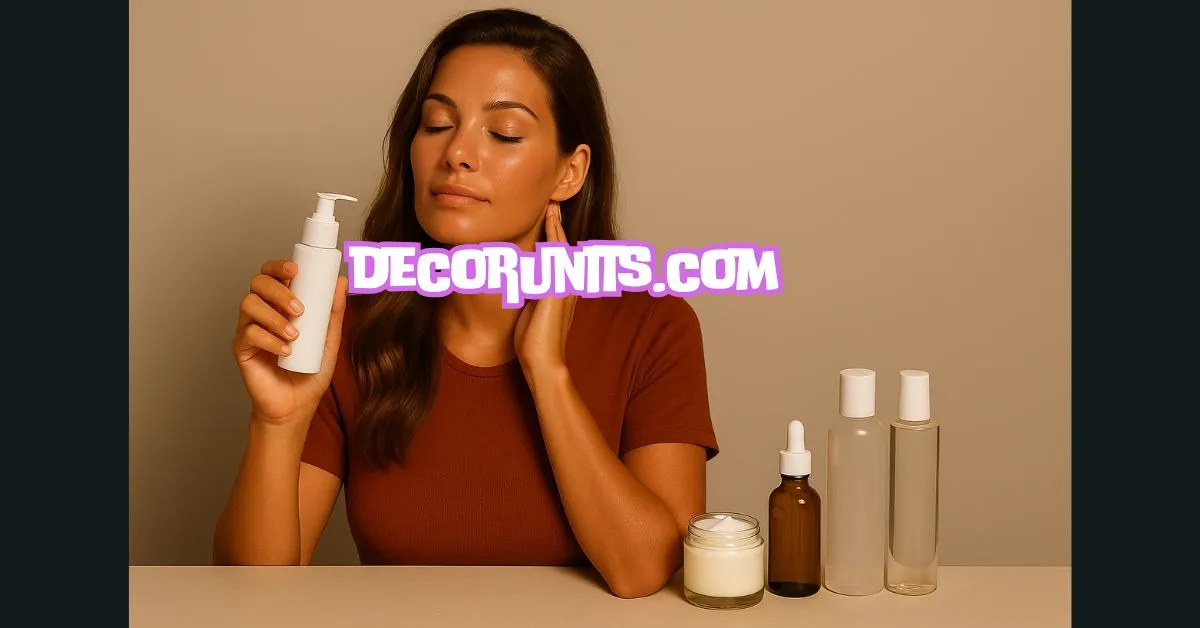
Okay, let’s set the scene: You’ve spent time and effort getting that golden, sun-kissed glow—maybe from a sunny beach weekend, a spray tan session at spray tanning salons near me, or some trusty self-tanner at home. Your skin looks radiant, your confidence is high, and then…bam! Your tan starts fading way too fast. Like, way faster than it should.
We’ve all been there. You follow all the “tan aftercare” advice: you pat dry after showers, moisturize daily, avoid long hot baths. But what if I told you the real culprit could be hiding in plain sight—right there in your skincare routine?
Yep, some of your holy-grail skincare products might be sabotaging your tan. Whether it’s a faux glow or a natural one, there are certain ingredients and products that act like quiet little tan erasers. So let’s get into what you need to watch out for—and what you should be using instead to keep that glow going strong.
Exfoliants: The Glow-Destroying Sneaks
Let’s start with the obvious one. Exfoliants—both chemical and physical—can be a tan’s worst enemy. Think glycolic acid, lactic acid, salicylic acid, and any scrub that feels like sandpaper on your face or body. Yes, they’re great for brightening skin and sloughing off dead cells, but guess what? That top layer of skin is your tan.
So when you exfoliate, you’re literally scrubbing or melting your tan off. Especially in the days right after tanning, that’s a big no-no.
What to Use Instead:
Swap those heavy-duty exfoliants for a gentle, hydrating body wash or cleanser. Look for something with aloe vera, glycerin, or hyaluronic acid. These ingredients cleanse without stripping your skin—and they help your tan fade evenly rather than patchy and weird.
Retinol & Retinoids: Bye-Bye Glow
Retinol is the queen of anti-aging—but she’s also a tan’s worst nightmare. Retinoids increase cell turnover, which is fabulous for dull skin, but not so fabulous when you want to keep that warm bronzed look.
Even using retinol a few times a week can seriously cut your tan’s lifespan short, especially if you’re applying it to your face or décolletage.
What to Use Instead:
Try a retinol-alternative like bakuchiol. It’s plant-based, gentler, and doesn’t accelerate skin cell turnover the way retinol does. Plus, it’s way less likely to irritate sensitive, freshly tanned skin.
AHAs, BHAs, and Enzyme Masks
Let’s lump these all together. Acids and enzymes are amazing for refining skin texture, but they do so by removing surface cells—aka your tan. If you’re using products with alpha hydroxy acids (AHAs), beta hydroxy acids (BHAs), or enzymes (like papaya or pineapple), you’re giving your tan the boot, whether you realize it or not.
These ingredients are sneaky because they’re often hiding in your favorite serums, masks, or even moisturizers. And yeah, they make your skin feel soft and smooth… but also make your glow vanish in a flash.
What to Use Instead:
Go for barrier-repairing serums or creams that focus on hydration instead of exfoliation. Think ceramides, niacinamide, and squalane—ingredients that hydrate, calm, and protect, all while keeping your tan intact.
Acne-Fighting Products
We’ve all had that moment—your skin breaks out right after tanning. And so you reach for the heavy-hitters: benzoyl peroxide, salicylic acid, or a deep-cleaning mask. Totally understandable. But here’s the problem: acne treatments are major tan-faders.
Benzoyl peroxide, in particular, can bleach your skin and cause your tan to look uneven and splotchy. Yikes.
What to Use Instead:
Stick with non-drying spot treatments. Look for sulfur, tea tree oil, or zinc-based solutions. They’re effective without being too harsh on your precious glow.
Toners with Alcohol (No Thanks)
A lot of traditional toners still contain denatured alcohol, which is ultra-drying. Dry skin = flaky skin = patchy tan. You see where I’m going with this?
While toners can help balance your skin, they shouldn’t feel like astringent fire water on your face. If yours does, it’s time to let it go.
What to Use Instead:
Reach for an alcohol-free hydrating toner or essence. Rose water, chamomile, green tea—these ingredients calm the skin and help maintain hydration levels without breaking down your tan.
Anti-Aging Peels and Brightening Serums
Vitamin C, kojic acid, arbutin—these guys are amazing for brightening dark spots and boosting collagen, but they also encourage skin renewal, which leads to faster tan fade.
If your skin is used to brightening products, you may not even notice how much they’re fading your tan… until one day you look in the mirror and go, “Where did it go?”
What to Use Instead:
Stick with a gentle antioxidant serum. You can even find vitamin C serums that are lower in concentration and combined with hydrating ingredients like hyaluronic acid. The key is balance—enough to protect your skin from free radicals, but not enough to peel it raw.
Fragrance-Heavy Products
This might come as a surprise, but artificial fragrance can irritate your skin—especially post-tan when your skin might be a little more sensitive. Fragrance can trigger dryness, inflammation, or even tiny breakouts, all of which can mess with your tan’s evenness and longevity.
What to Use Instead:
Go fragrance-free or opt for naturally scented products with essential oils like lavender or vanilla (as long as your skin tolerates them). Your tan (and your nose) will thank you.
The Tan-Loving Routine You Do Want
Now that we’ve talked about what to avoid after getting tanning services near me, let’s talk about what your tan actually loves:
Hydration is your BFF – Drink water, and moisturize daily with a rich body lotion or oil. Shea butter, cocoa butter, and jojoba oil are all tan-friendly.
Cool showers only – Hot water strips your skin fast. Keep it lukewarm and always pat dry.
Daily glow boosters – Add a little self-tanning lotion or gradual tanner into your routine to top off your color and keep it looking fresh.
SPF, always – Yes, even after tanning. SPF helps prevent peeling, patchiness, and sun damage that shortens your tan’s lifespan.
Final Thoughts
Listen, having a beautiful, long-lasting tan doesn’t have to be complicated—but it does require you to get a little picky with your skincare. It’s not about throwing out everything in your cabinet, but about being intentional. Swapping out a few glow-sabotaging ingredients for tan-loving alternatives can make all the difference between a glow that fades in two days and one that lingers beautifully for weeks.
So next time you’re about to slather on that glycolic acid serum or aggressive acne treatment, pause and ask yourself: Is this helping my skin—or fading my glow?
Treat your tan like the investment it is, and it’ll repay you with that bronzy, feel-good vibe that turns heads for all the right reasons.














Post Comment