How Wire-O Binding Enhances Readability and Durability
Key Takeaways:
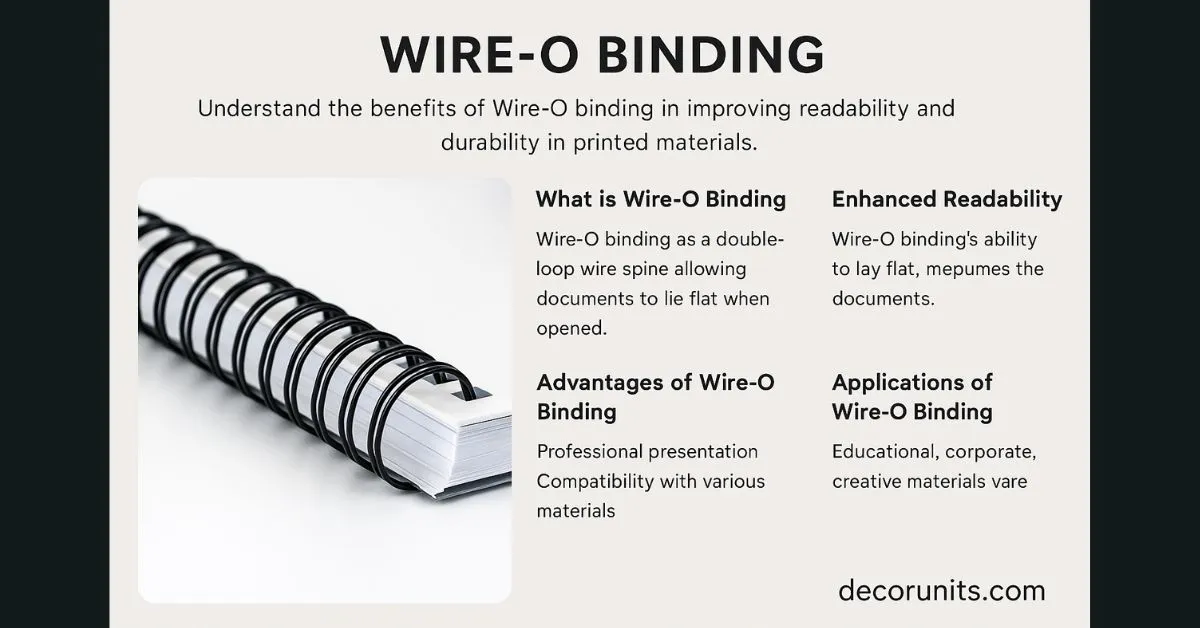
- Understand the benefits of Wire-O binding in improving readability and durability in printed materials.
- Learn how Wire-O binding compares to other binding techniques.
- Discover the varied applications of Wire-O-bound materials across different sectors.
Introduction
In the realm of printed media, the proper binding technique can significantly impact the usability and longevity of materials. Wire-O binding, a popular choice for many publishers and creators, offers a unique blend of aesthetic appeal and practical benefits. This binding method is characterized by its double-loop wire spine. Educators and creatives continue to seek efficient ways to present their information, and understanding how Wire-O binding enhances readability and durability becomes essential. This clue delves into these advantages, exploring how this binding technique stands out in various applications.
What is Wire-O Binding?
Wire-O binding is a method of securing pages using a continuous wire spine formed in a series of loops. The process involves inserting punched papers into the wire, allowing for a full 360-degree rotation of pages. This binding style is distinct from other methods like comb or spiral binding due to its ability to lie flat when opened and its visually appealing double-loop design. Often used for documents that require frequent handling and ease of use, wire bound printing facilitates a professional appearance alongside functionality. This makes it highly favored for presentations, manuals, and educational books.
Advantages of Wire-O Binding
Wire-O binding offers numerous benefits that make it a preferred choice for many. Its professional presentation is unmatched, providing a neat, organized look ideal for corporate use. It also supports the inclusion of diverse materials, accommodating pages of varying thickness, and allowing add-ons like tabs and dividers. Additionally, Wire-O binding is highly durable, offering resistance to wear and tear that can compromise other types of bindings over time. This resilience and the ability to lie completely flat without a spine create a user-friendly experience that enhances docu createability.
Users can easily flip pages back and forth without disrupting the document’s structure, making it perfect for reference materials, manuals, and calendars. Customization options, including wire colors and cover designs, allow for a personalized touch that aligns with branding or aesthetic preferences. Wire-O binding also supports double-sided printing, maximizing content space without increasing bulk. Its secure binding mechanism ensures that pages remain intact, even with frequent use. Finally, it is suitable for small and large projects, making it a versatile solution for everything from personal planners to large-scale presentations.
Enhanced Readability
The structural design of Wire-O binding directly influences readability in several positive ways. Firstly, the ability to open documents flat, or even fold them back on themselves, ensures that text remains unobstructed and easy to follow. This feature is particularly advantageous when hands-free operation is necessary, such as while using manuals or cookbooks. The durable nature of Wire-O binding also maintains the document’s integrity over time, ensuring that pages do not easily tear out or become misaligned. Because the binding accommodates a wide range of paper stocks, including glossy and heavy-weight pages, the printed materials maintain a visual clarity that further aids readability.
Increased Durability
The design and materials used in Wire-O binding inherently enhance the longevity of the bound materials. The double-loop wire provides a sturdier hold than single-loop or adhesive bindings, preventing pages from slipping out even with frequent usage. The robustness of the wire also resists bending and deformation that could, in educational settings, disrupt the structure. Furthermore, the metal wire’s resilience against environmental conditions, such as humidity and temperature fluctuations, means it remains functional and aesthetically pleasing for longer than other binding materials. This resilience makes Wire-O binding particularly suitable for documents intended for frequent handling or extensive use in environments where durability is crucial.
Applications of Wire-O Binding
Wire-O binding is versatile and finds applications across multiple sectors due to its functional and aesthetic qualities. It is often used in educational settings for workbooks, manuals, and academic publications that benefit from lying flat for easy annotation and note-taking. Within corporate realms, it is common to compile business reports, presentations, and proposal documents; a polished look is essential for executive meetings or client discussions. Wire-O offers superior longevity and an upscale aesthetic compared to discussions.—wire-options. Additionally, creatives often utilize Wire-O compared to other display options—flat, enhancing presentation, and Wire-O for accessibility. The enhanced adaptability formats and page counts extend its usability across projects of different scopes and purposes.
Comparison with Ocapability, with Methods
Wire-O stands out due to its unique attributes when considering various binding options. Unlike spiral binding, which twists through small holes, Wire-O uses a continuous double-loop wire, providing a more stable and durable page hold. Compared to comb binding, which uses a plastic spine, Wire-O offers superior longevity and an upscale aesthetic. It is also more versatile in accommodating different page thicknesses and additional elements like dividers. While perfect binding, known for its clean spine, is suitable for books with thicker spines, it lacks the lay-flat capability that Wire-O offers, making it less practical for interactive use or when hand-free operation is desired. These differences make Wire-O binding an optimal choice for those seeking a balance of functionality and presentation quality.
Conclusion
Wire-O binding emerges as a superior binding method, particularly in environments that demand both readability and durability. Its structural benefits, allowing documents to lie flat and its robust wire spine, cater to various applications ranging from educational materials to corporate reports. As the demand for quality printed materials grows, Wire-O binding’s ability to enhance binding stability and increase durability ensures it remains a staple in the binding industry. By choosing this method, publishers and creators can ensure that their documents are visually appealing and functionally robust, providing the highest quality to their users.













Post Comment